Shanghai Shiok Home

Category

Food Culture

17 articles

The Flavor Dimension Your Taste Buds Were Never Taught to Find

The Flavor Dimension Your Taste Buds Were Never Taught to Find

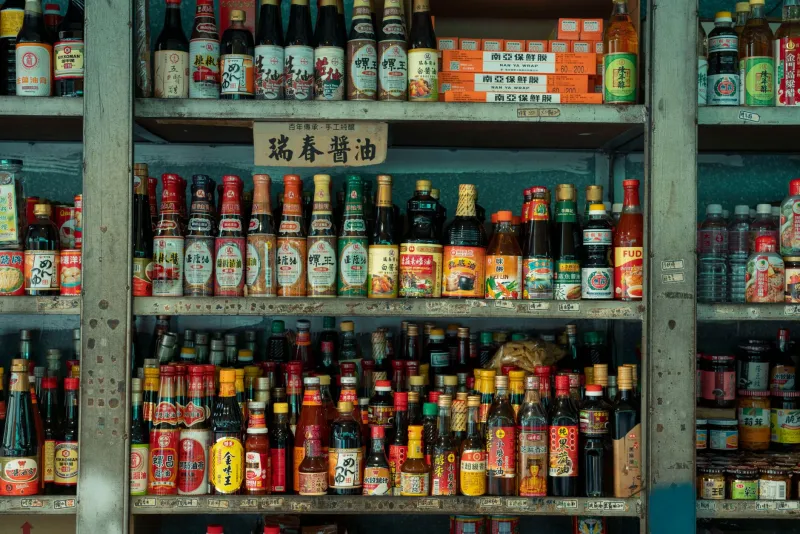
Western cooking education talks about four flavors: sweet, salty, sour, bitter. Shanghai cuisine quietly operates with a fifth — 味 (wèi) — a layered savory depth that transforms how a dish feels in your mouth. Once you understand it, you'll taste its absence everywhere.

Prep Lists Are for People Who Don't Trust Themselves Yet

Prep Lists Are for People Who Don't Trust Themselves Yet

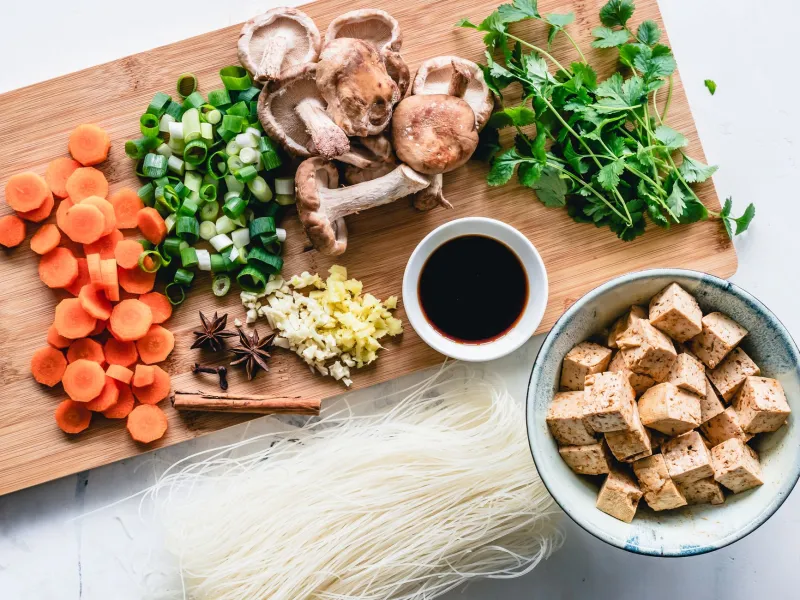
French culinary school swears by mise en place — every ingredient chopped, measured, and staged before a single flame gets lit. Shanghai home cooks find this mildly hilarious. Here's what they do instead, and why it might actually make you a better cook.

The Art of Cooking Without a Script: What Shanghai Kitchens Know About Instinct

The Art of Cooking Without a Script: What Shanghai Kitchens Know About Instinct

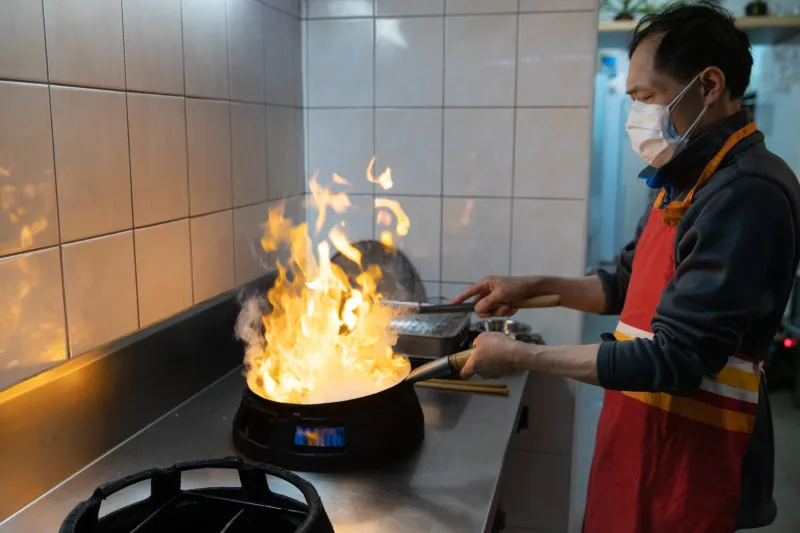
Western culinary school will tell you that mise en place — everything prepped, measured, and arranged before the flame hits — is the only way to cook. Shanghai kitchens have been ignoring that rule for centuries and producing some of the world's most layered, alive food. Here's why the chaos is actually the point.

One Dumpling to Rule Them All: The XLB Obsession Taking Over American Food Culture

One Dumpling to Rule Them All: The XLB Obsession Taking Over American Food Culture

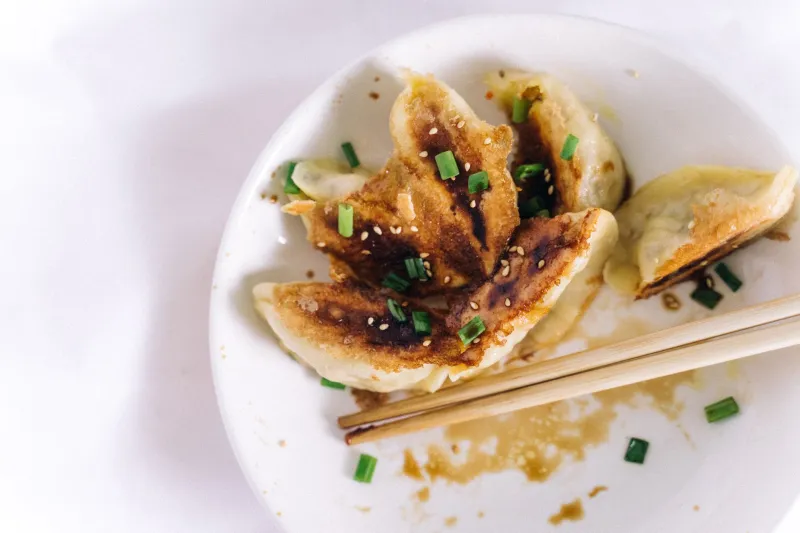
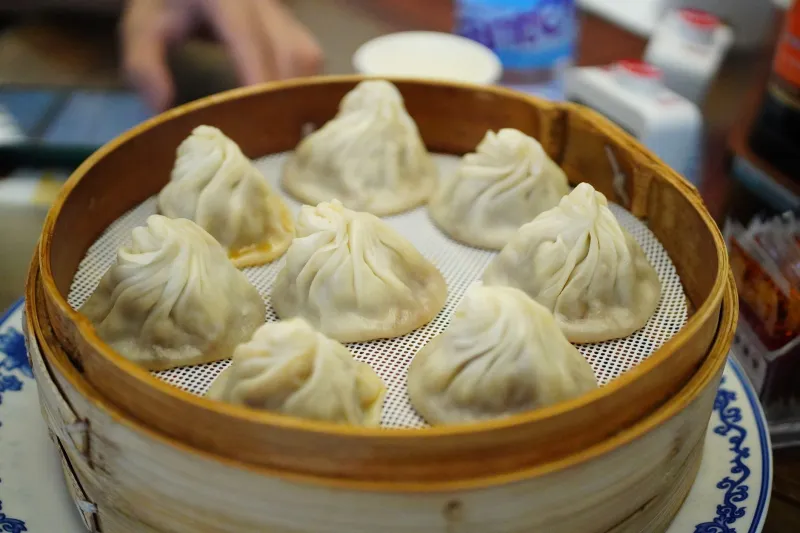
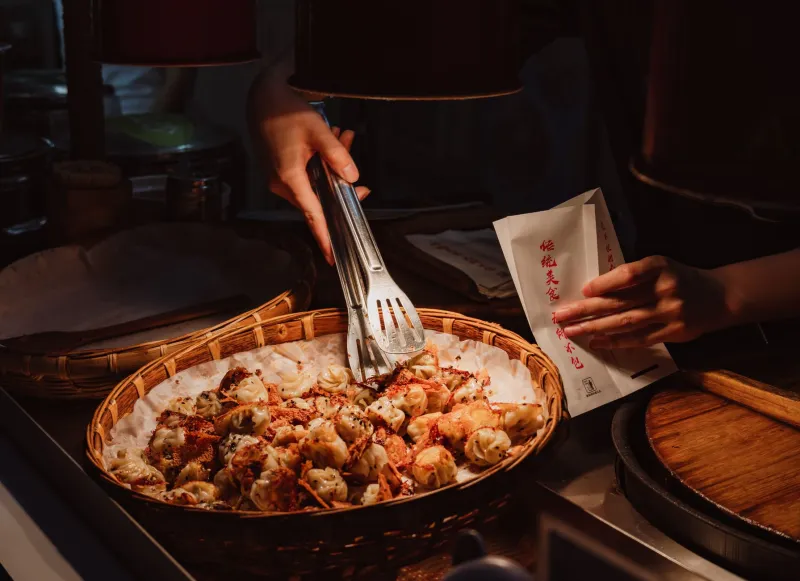
Xiaolongbao started as a humble Shanghai street snack, and somehow it ended up sparking restaurant rivalries, Reddit threads, and a full-blown dumpling arms race across American cities. We dig into why this one little soup-filled packet has become the gateway drug to Shanghai cuisine — and why nobody can stop arguing about who makes it best.

The Alleys Have All the Answers: Why Shanghai's Greatest Food Was Never on a White Tablecloth

The Alleys Have All the Answers: Why Shanghai's Greatest Food Was Never on a White Tablecloth

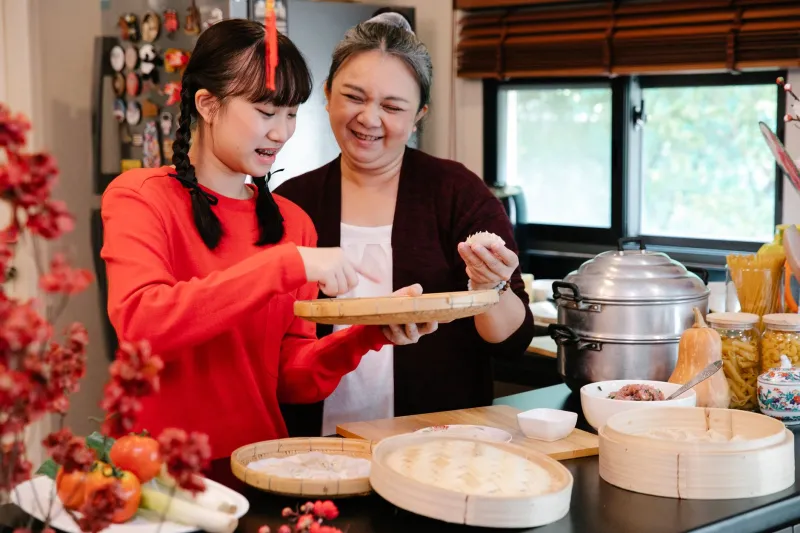
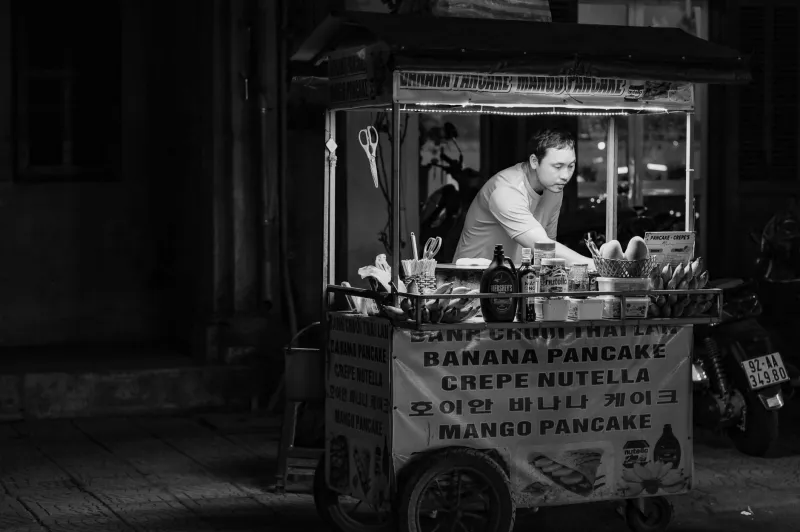
Long before Shanghai had Michelin stars, it had alley vendors flipping jianbing at dawn and grandmothers folding xiaolongbao in kitchens the size of a walk-in closet. The real soul of Shanghai's food culture was built in those cramped, smoky, glorious spaces—and the immigrant home cooks who've brought those recipes to America are keeping that tradition alive in ways no upscale restaurant ever could.